


How to choose the right skateboard size for beginners
If you are wondering what skateboard size to choose, this guide will help you pick the right deck width for kids, teens and adults. It also explains the key parts of a classic skateboard, so you know what you are paying for, whether you are buying your first board or a gift.
There are lots of skateboards out there in different setups, so where do you start?
What is a classic skateboard and what is it made of
A classic skateboard is a wooden deck on four wheels, with a raised nose and tail. This shape is made for tricks, skateparks, street spots and learning the basics.
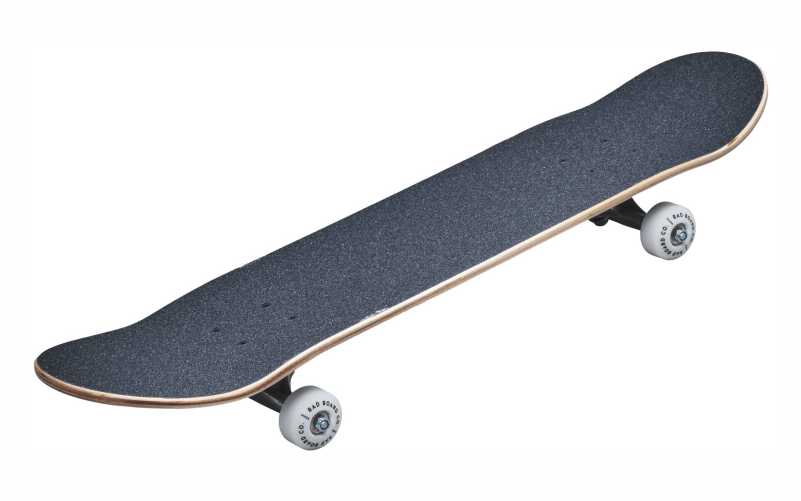
It also works for getting around, but it is best for shorter distances. You usually push a lot, and on longer rides that can get tiring.
Skateboard parts, the quick breakdown
The deck is the main platform. A solid beginner setup should use 7 ply maple. You can find 9 ply decks too, but they often feel heavier, and weight matters when you are learning ollies and basic flips.
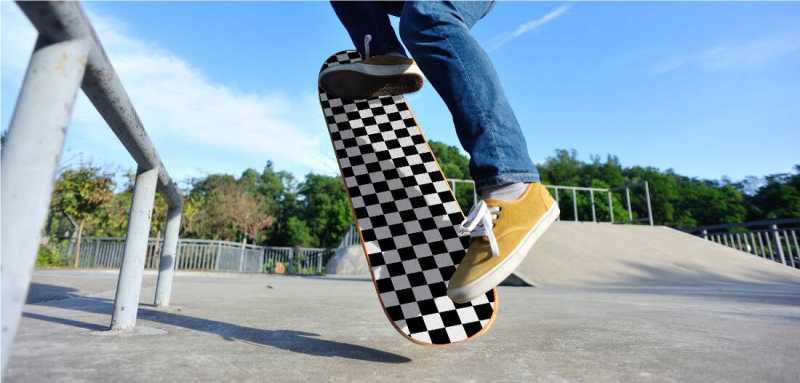
Deck sizes are given in inches. For most riders, the most important thing is deck width matched to shoe size. Rider height and weight matter less here than they do when choosing a bike.
Kids boards often start around 7 inches. Larger sizes, like 8 to 8.5 inches, are a common pick for teens and adults with bigger shoe sizes.
Use the size chart below to find a good starting point.
| Deck width | Suggested age | US shoe size | EU shoe size |
|---|---|---|---|
| 6.5" | 3–5 | 6C–11C | 23–28 |
| 6.75" | 3–5 | 7C–11C | 24–28 |
| 6.825" | 4–6 | 9C–12C | 26–30 |
| 7.0" | 5–7 | 10C–1Y | 28–32 |
| 7.125" | 6–8 | 11C–2Y | 29–33 |
| 7.25" | 7–9 | 12C–3Y | 30–34 |
| 7.375" | 8–10 | 13C–4Y | 31–35 |
| 7.5" | 9–11 | 1Y–6 | 32–38 |
| 7.625" | 10–12 | 2Y–7 | 33–39 |
| 7.75" | 12–14 | 4Y–9 | 35–42 |
| 7.875" | 12–14 | 4Y–9 | 35–42 |
| 8"+ | 14+ | 9+ | 42+ |
Age is only a rough guide. Shoe size is the best way to choose deck width.
What is concave on a skateboard
Concave is the deck profile, the curve across the width of the board. It helps your feet stay in place and gives you more control during tricks.
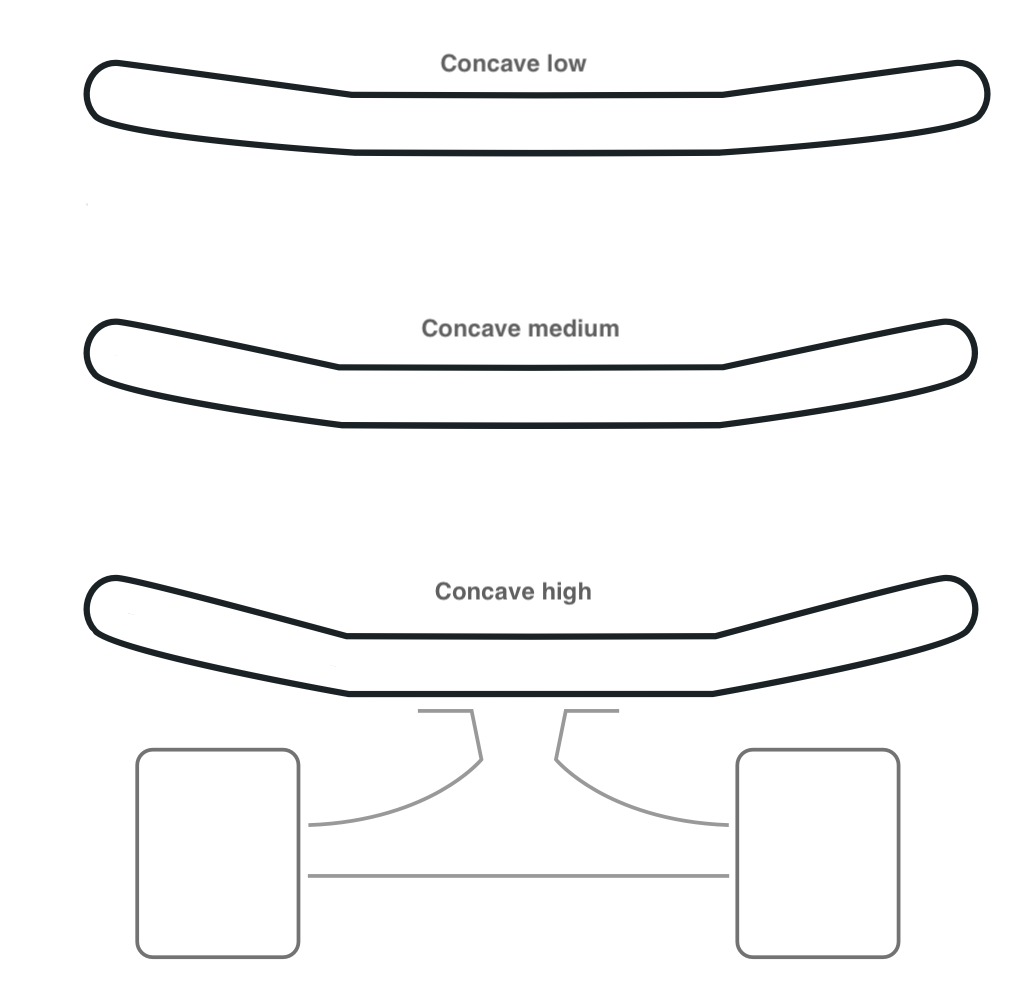
Deck profiles:
Low concave feels flatter and more stable, it is often found on wider boards and works nicely on ramps.
Medium concave is the most common choice because it is balanced, it feels stable and still works well for flip tricks.
High concave has a deeper curve and can help with more technical tricks and tighter control.
Concave is personal. If you can, try a few shapes and stick with the one that feels natural under your feet.
Trucks connect the deck to the wheels
Skateboard trucks are the metal parts that mount under the deck and hold the wheels. A solid truck setup gives you stable riding, better board control and smoother turns.

Trucks come in low, mid and high heights. Lower trucks can feel more controlled for smaller riders. Taller trucks can suit larger riders or bigger wheels. Most riders choose what feels right for their style.
When choosing trucks, look for the correct width for your deck and quality bushings, they decide how your board turns.
Wheels change how the board feels
Skateboard wheels should be polyurethane. Size and hardness depend on what you ride.
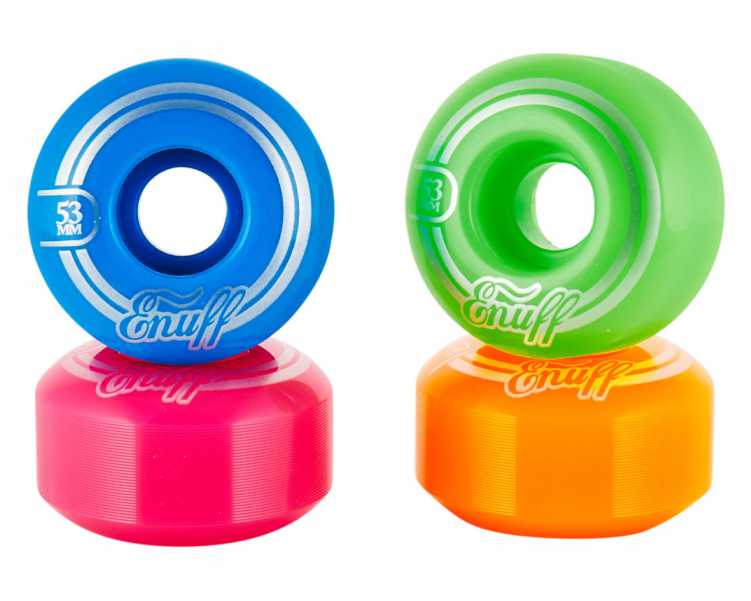
For a first classic skateboard, wheels around 51 to 54 mm and hardness around 98A to 103A are a popular starting point for skateparks and street spots.
Bearings control speed and smooth rolling
Skateboard bearings are usually rated ABEC 5, ABEC 7 or ABEC 9. They can be steel or ceramic.
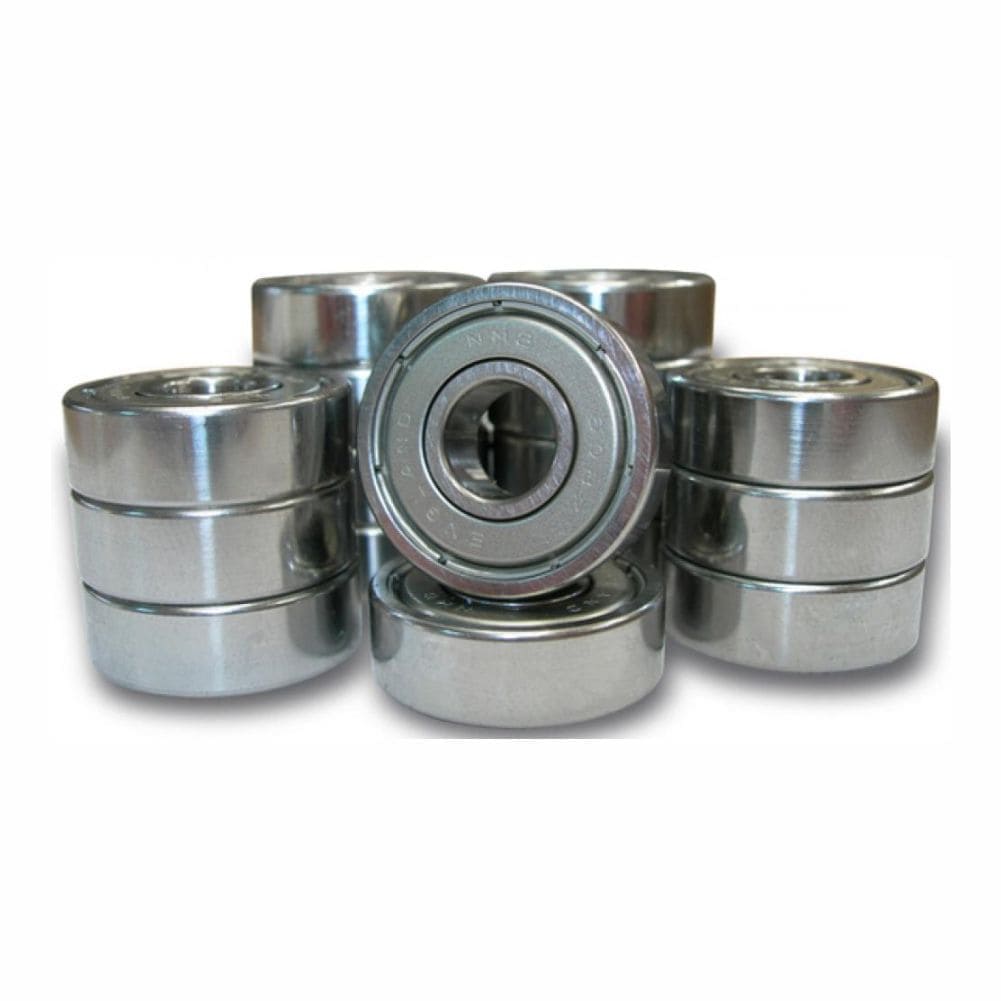
A higher ABEC number means higher precision. It can feel smoother, but it does not automatically mean better materials. For most beginners, ABEC 5 or ABEC 7 is a solid choice.
What else affects skateboard quality
Brand matters. Choose proven skate brands and a trusted skate shop, so your first board does not turn into a quick disappointment.
For beginners, a complete skateboard is usually the easiest start, it is ready to ride and properly matched.
FAQ – skateboard size and beginner questions
What skateboard size should a beginner choose?
Most beginner riders start with a deck between 7.75 and 8.0 inches. This width gives a good balance between stability and control, which makes it easier to learn the first tricks in a skatepark or on street spots.
Is an 8.0 skateboard good for beginners?
Yes. An 8.0 inch deck is one of the most common sizes for beginner and intermediate riders. It feels stable under your feet and still works well for learning tricks like ollies and basic flip tricks.
What skateboard size should I choose for my shoe size?
Shoe size is the best way to choose skateboard width. Smaller shoe sizes usually feel better on decks between 7.25 and 7.75 inches, while riders with larger feet often prefer 8.0 inches or wider decks.
What skateboard size is good for a 10 year old?
Many kids around 10 years old ride decks between 7.25 and 7.75 inches depending on their shoe size. Smaller riders may prefer narrower decks because they are easier to control.
What does concave mean on a skateboard?
Concave is the curve across the width of the skateboard deck. It helps your feet stay in position and gives you better control when turning or performing tricks. Medium concave is the most common option for beginners.


