




Skateboard Deck
Also known as the skateboard deck, skateboard board, or platform – it’s the wooden base of your setup.
What is a skateboard deck made of?
It’s made of wood – but not just any wood will do.
The most common choice is maple, and for good reason.
Maple is both strong and flexible. A skateboard made from maple is more resistant to cracking and breaking. It’s stiff enough to give you better control while riding.
It’s also relatively lightweight compared to other woods. Plus, it’s widely available and affordable, which helps keep prices down for good-quality decks.
Another win for maple is that it’s easy to shape. Skateboards come in various forms depending on your riding style and preferences – maple makes that possible.
Fun fact: Canadian maple is about 15% stronger than Chinese maple. That’s why many beginner and kids' boards are made from Chinese maple – it’s cheaper, lighter (kids don’t weigh as much), and the tricks are usually simpler. So maybe don’t overpay for your first board.
There are also decks made from other materials like bamboo or carbon fiber. If you’ve got a specific riding style in mind, you might want to explore those too.
How a skateboard deck is built
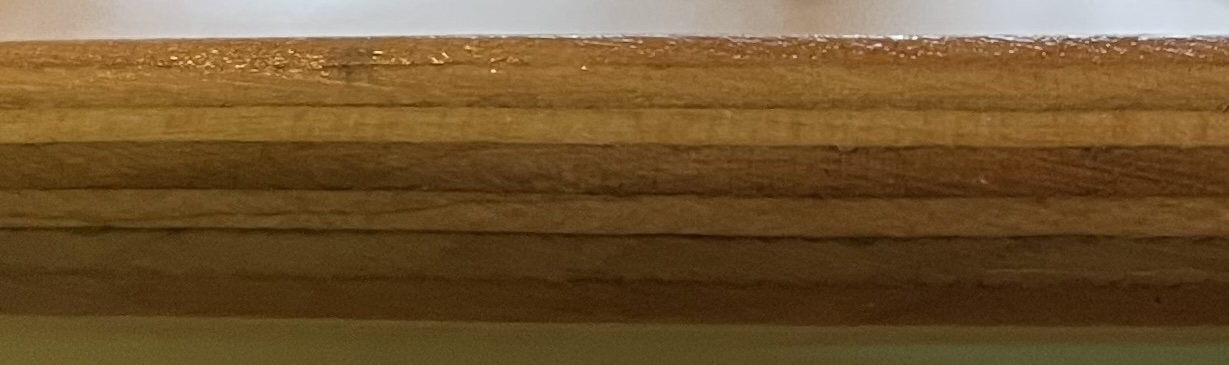
The deck is made from layers of wood glued together in a cold press. This layered construction helps it handle heavy impacts and trick landings. Most decks have 7 to 9 layers, with 7-ply being the most common – it’s lighter and more flexible.
Why are skateboard decks layered?
Thin wood sheets glued together form what’s called a "ply construction". This makes the deck stronger and more flexible – it can handle more stress during tricks. The layers run in alternating directions, helping to spread out the pressure evenly.
Ply construction is much more durable than a solid piece of wood of the same thickness. Since tricks put a lot of force on the board, layering is the way to go.
It also allows for shaping the board more easily. Skateboards aren’t flat – they have upturned noses and tails, and a concave dip in the middle that helps with control and tricks. Thanks to the layers, the deck can be shaped just right for your ride.
And since every rider has their own style and preferred terrain, that shape matters. The flexible, layered construction helps create the curves and contours that match those preferences.
Bonus: layered decks also hold up better in changing weather. Think temperature swings, humidity, or rain – they’ve got your back.


